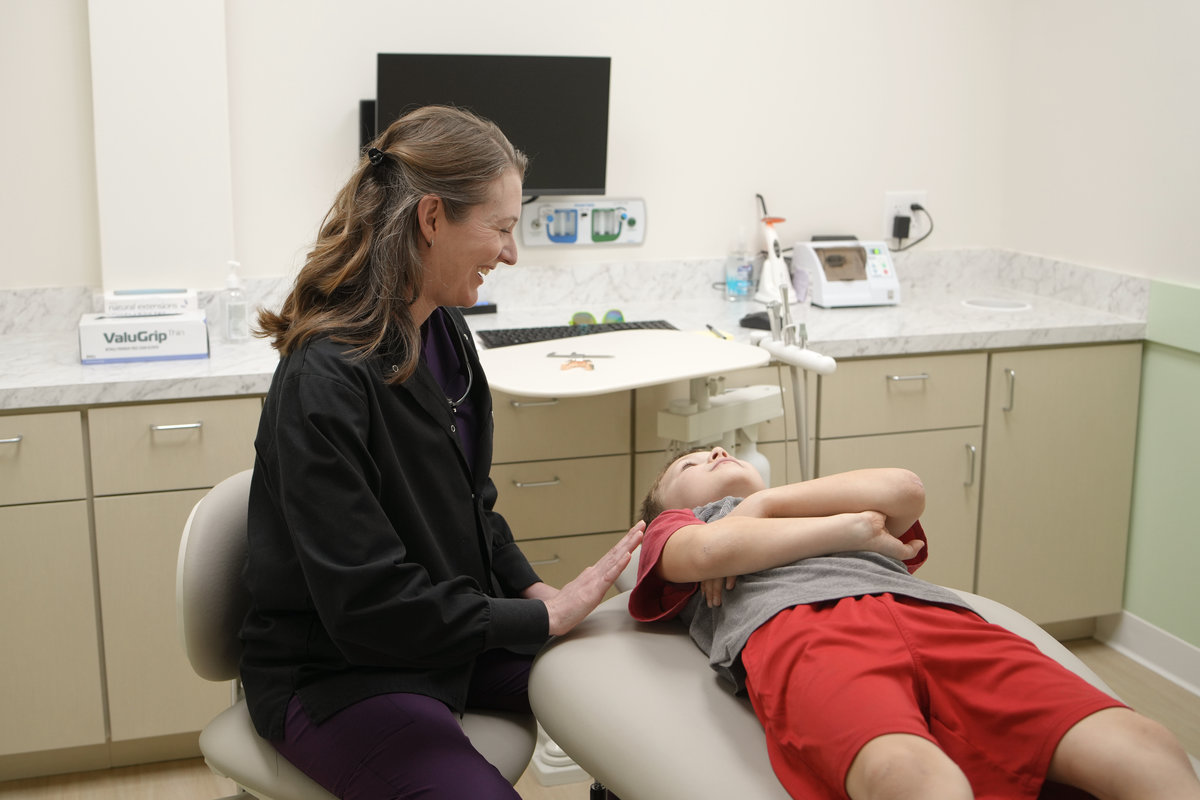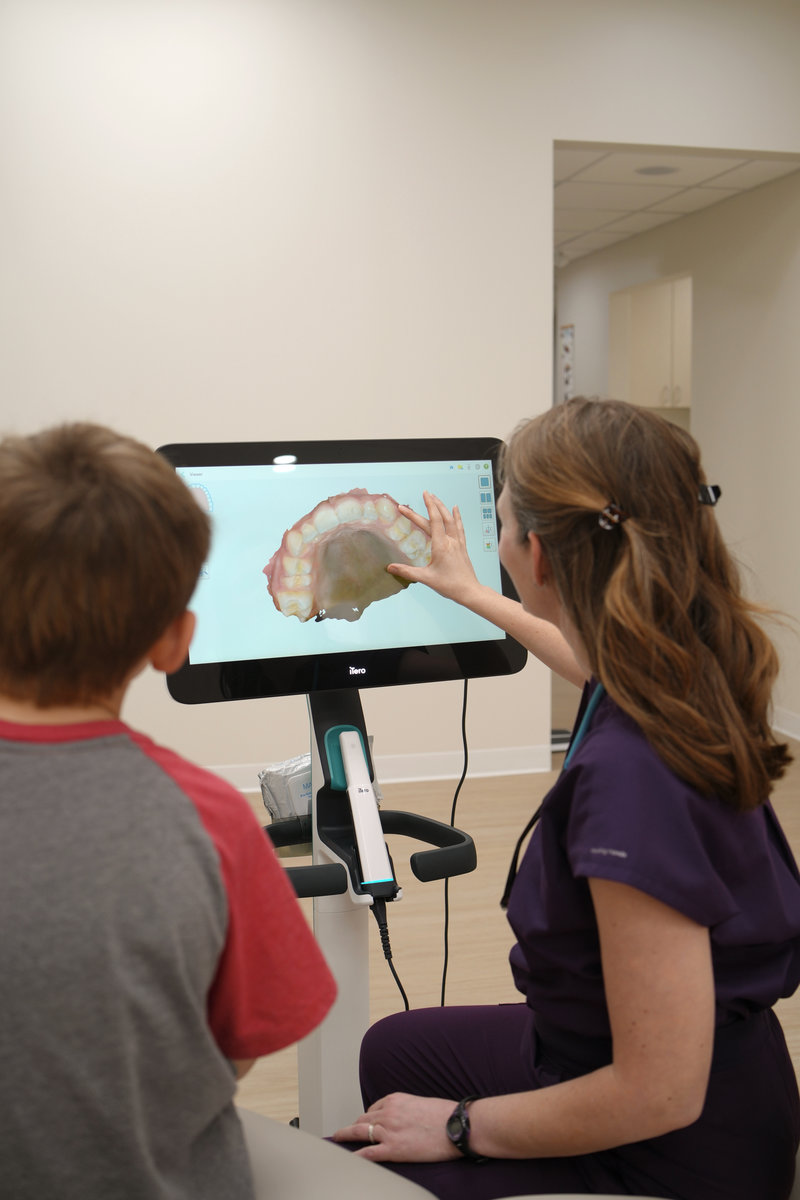
As San Antonio’s first holistic pediatric dental practice, one of the most common questions we receive from parents is whether fluoride-free dentistry is safe and effective for their children. This concern is completely understandable – parents want to make the best decisions for their child’s oral health while honoring their family’s healthcare values.
Understanding the Science Behind Fluoride Alternatives
The good news is that effective, safe alternatives to traditional fluoride treatments exist and have been used successfully in pediatric dentistry for years. As a board-certified pediatric dentist with a background in nutritional sciences, I’ve seen firsthand how fluoride-free approaches can support healthy tooth development when implemented properly.
Hydroxyapatite: Nature’s Answer to Tooth Remineralization
One of the most promising fluoride alternatives is nano-hydroxyapatite, which is actually the same mineral that makes up 97% of tooth enamel. Research shows that hydroxyapatite can remineralize teeth effectively while being completely biocompatible with the developing body. Unlike fluoride, which works by creating a protective barrier on teeth, hydroxyapatite actually becomes part of the tooth structure itself.
Studies from Japan, where hydroxyapatite has been used extensively for decades, demonstrate comparable cavity prevention rates to fluoride treatments. This is particularly encouraging for parents who prefer biocompatible materials that work with their child’s natural development rather than introducing synthetic compounds.
The Holistic Approach to Cavity Prevention
Fluoride-free dentistry doesn’t simply mean removing fluoride and hoping for the best. Instead, it involves a comprehensive approach that addresses the root causes of tooth decay while supporting the body’s natural healing processes.
Nutritional Foundation for Strong Teeth
My background in nutritional sciences has taught me that tooth health begins with proper nutrition. Most jaw growth occurs before age six, making early nutritional intervention crucial for optimal development. Key nutrients for healthy tooth formation include:
Calcium and Magnesium: Essential minerals for tooth structure development Vitamin D3: Critical for calcium absorption and immune function Vitamin K2: Helps direct calcium to teeth and bones rather than soft tissues Phosphorus: Works with calcium to build strong enamel

pH Balance and Oral Environment
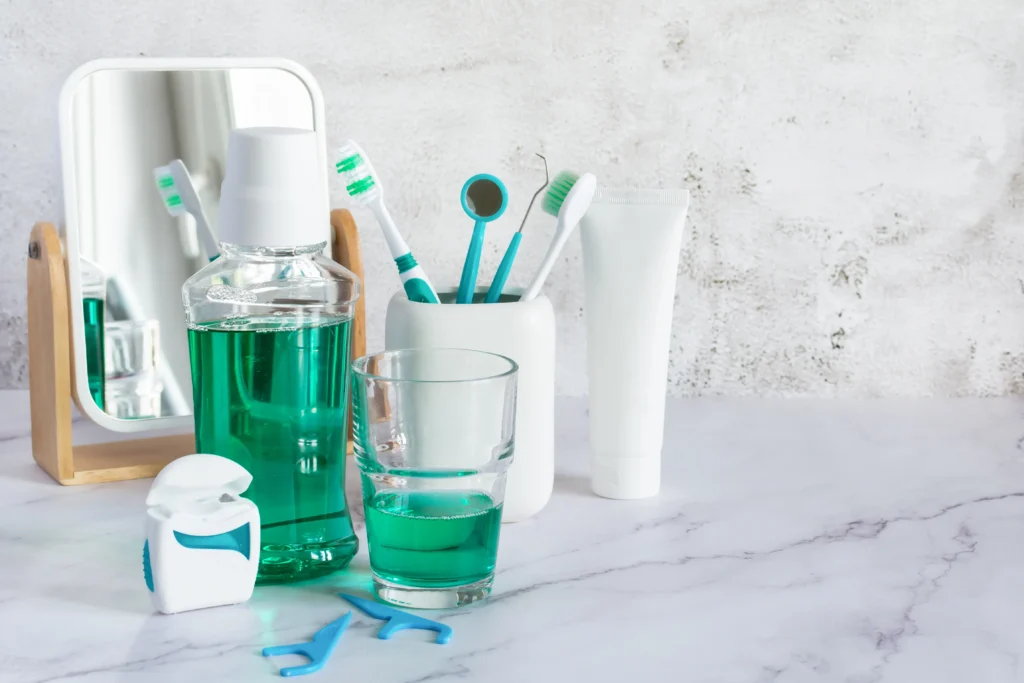
Creating an alkaline oral environment naturally prevents the acid conditions that lead to tooth decay. This can be achieved through dietary modifications, proper hydration, and the use of alkalizing mouth rinses made from natural ingredients like baking soda and sea salt.
Safety Considerations for Growing Children
When evaluating any dental treatment for children, safety must be the primary concern. Fluoride-free approaches offer several advantages for developing bodies:
Reduced Risk of Fluorosis: Eliminates the possibility of dental fluorosis, which can cause permanent white spots or brown staining on teeth Biocompatibility: Natural remineralization agents work with the body’s existing processes Systemic Safety: No concerns about ingestion during treatment Developmental Support: Approaches that support rather than override natural development
Special Considerations for Different Age Groups
Infants and Toddlers (0-3 years): Focus on establishing healthy oral bacteria, proper nutrition, and gentle cleaning routines Preschoolers (3-6 years): Critical period for jaw development; emphasis on dietary counseling and early orthodontic evaluation School-age children (6-12 years): Comprehensive prevention including sealants made from biocompatible materials Teenagers (13-18 years): Advanced treatments including airway-focused orthodontics and nutritional optimization
Evidence-Based Results in Clinical Practice
In my practice, I’ve observed excellent outcomes using fluoride-free approaches when combined with comprehensive preventive care. Children receiving hydroxyapatite treatments, nutritional counseling, and regular biocompatible sealants show cavity rates comparable to or better than traditional fluoride protocols.

The key difference lies in addressing underlying factors that contribute to tooth decay rather than simply applying a topical treatment. By optimizing nutrition, supporting proper oral pH, and using biocompatible materials, we create conditions where teeth can naturally stay healthy and strong.
Making Informed Decisions for Your Family
Every family’s situation is unique, and the decision about fluoride use should be made based on individual risk factors, family values, and a comprehensive evaluation of your child’s oral health status. During consultations, I provide families with complete information about all available options so they can make informed decisions that align with their healthcare preferences.
Questions to Consider:
- Does your child have a high cavity risk based on diet, genetics, or medical history?
- Are there family preferences regarding synthetic versus natural treatments?
- What does your child’s overall health and development picture look like?
- How committed is your family to comprehensive preventive approaches?
The Future of Pediatric Dental Care
As research continues to advance our understanding of biocompatible dental materials and holistic health approaches, fluoride-free dentistry is becoming increasingly sophisticated and effective. The integration of nutritional science, airway health evaluation, and biocompatible materials represents the future of comprehensive pediatric care.

Conclusion: Safety Through Comprehensive Care
Fluoride-free dentistry can be completely safe and effective for children when implemented as part of a comprehensive, evidence-based approach to oral health. The key lies in addressing the whole child – their nutrition, development, oral environment, and individual risk factors – rather than relying on any single intervention.
As parents become more informed about their healthcare options, it’s encouraging to see families taking active roles in decisions about their children’s treatment. Whether you choose fluoride-free approaches or traditional methods, the most important factor is working with a pediatric dentist who respects your values, provides transparent information, and creates individualized treatment plans based on your child’s unique needs.
At Wellness Pediatric Dentistry, we’re committed to supporting families in making informed decisions about their children’s oral health. Our comprehensive approach combines the latest research in biocompatible materials with time-tested principles of prevention and nutrition to create positive outcomes that support lifelong wellness.
About Dr. Christi Wengler: Dr. Wengler is a board-certified pediatric dentist and Diplomat of the American Board of Pediatric Dentistry. She holds a Bachelor’s degree in Nutritional Sciences and is a Certified Lactation Counselor. Dr. Wengler founded San Antonio’s first holistic pediatric dental practice after extensive training in Germany and service as an Air Force dentist. She is a member of the International Academy of Biological Dentistry and Medicine.
Ready to explore fluoride-free options for your child? Contact Wellness Pediatric Dentistry at (210) 352-9028 to schedule a consultation and learn more about our comprehensive, holistic approaches to pediatric dental care.