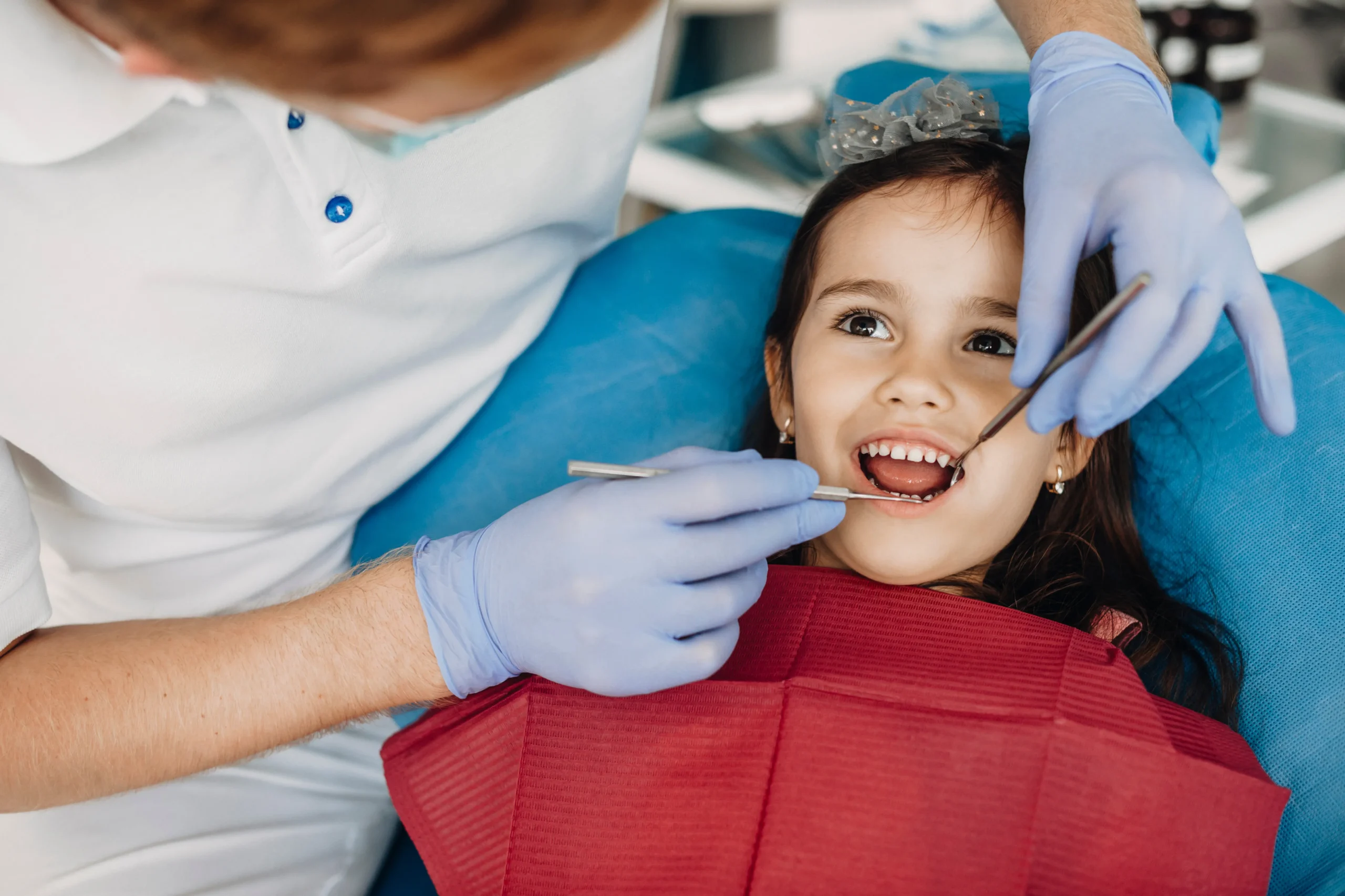
When a child’s upper jaw is too narrow to accommodate their developing teeth, the consequences can reach far beyond a crowded smile. A narrow palate can contribute to difficulty breathing through the nose, disrupted sleep, crossbites, and developmental patterns that become significantly harder to correct with age. For parents who are paying close attention to how their child breathes, sleeps, and grows, these are signs worth understanding, and they are exactly the kind of concerns that early orthodontic evaluation is designed to address.
At Wellness Pediatric Dentistry in Castle Hills, Texas, Dr. Christi Wengler approaches airway-focused treatment with the understanding that the mouth, jaw, and airway function as an interconnected system. As a board-certified pediatric dentist, Diplomat of the American Board of Pediatric Dentistry, and a practitioner trained through Airway Health Solutions, Dr. Wengler evaluates each child’s oral development with a holistic lens, looking not only at whether teeth are aligned, but at how the jaw structure is shaping the child’s breathing and overall wellness.
What Palate Expansion Is and How It Works
Palate expansion is an orthodontic treatment that gradually widens the upper jaw. The upper jaw, or maxilla, consists of two halves connected by a soft tissue called the mid-palatal suture. During childhood, this suture remains flexible, which allows gentle, consistent pressure from an expander to create new bone and widen the arch over several months.
A palate expander may be fixed, meaning it is bonded to the back molars and stays in place throughout treatment, or it may be removable, which offers flexibility but depends on consistent wear to be effective. Invisalign First is another option available at Wellness Pediatric Dentistry & Airway for children whose arch development concerns fall within the mild to moderate range. The right approach depends on the child’s age, the degree of narrowing present, and their specific anatomy.
Signs That May Indicate Your Child Could Benefit
Not every child needs expander therapy, but certain patterns are worth bringing to a pediatric dentist’s attention sooner rather than later. A crossbite, where one or more upper teeth sit inside the lower teeth when the jaws are closed, is one of the most common reasons a palate expander is recommended. Significant dental crowding, even before all permanent teeth have erupted, can also signal that the upper arch does not have adequate width.
Mouth breathing is another meaningful indicator. When the palate is narrow, the tongue cannot maintain its proper resting position at the roof of the mouth, which can push a child toward breathing through their mouth instead of their nose. Persistent mouth breathing during growth is associated with changes in facial development, increased risk of dental decay, and disrupted sleep quality. Parents who notice that their child snores, grinds their teeth, or consistently wakes up tired may be seeing early signs of airway compromise that deserve evaluation.
According to the American Association of Orthodontists, palate expansion ideally occurs while a patient is still growing, since younger patients may be able to avoid tooth removal or prevent impacted teeth, whereas waiting until adulthood may require surgery to achieve the same result.
Why Earlier Treatment Often Means Simpler Treatment
One of the most compelling reasons to evaluate jaw development early is that the window for non-surgical expansion is time-limited. The mid-palatal suture typically begins fusing in early to mid-adolescence, and once that process is complete, widening the jaw requires more complex intervention. Addressing a narrow palate during the growth years keeps the process gentle, predictable, and often shorter in duration overall.
There is also a compounding effect to consider. A narrow arch that contributes to mouth breathing during the years when a child’s face is actively developing can influence the shape of the nasal passages, the position of the tongue, and even the child’s posture over time. From a holistic standpoint, palate expansion during the right developmental window is not simply an orthodontic fix; it is an investment in how the child’s entire upper airway functions for years to come. Families considering Invisalign for teens and children may find that addressing arch width first creates a more stable foundation for alignment treatment later.
What to Expect at an Early Orthodontic Evaluation
During a new patient exam at Wellness Pediatric Dentistry, Dr. Wengler takes a comprehensive approach to assessing jaw and airway development. This includes evaluating the bite and arch width, observing the child’s breathing patterns, discussing symptoms such as snoring or restless sleep, and reviewing imaging as appropriate to assess bone development and the state of the mid-palatal suture. Parents are encouraged to share any concerns about their child’s sleep, behavior, or development, as these can all be relevant to the orthodontic picture.
Dr. Wengler’s background in nutritional sciences and her certification as a lactation counselor inform the way she thinks about early development. She recognizes that how a child feeds, chews, and breathes in the earliest years shapes the structural foundation of their jaw and airway. Early evaluation allows families to make informed decisions with plenty of time on their side, rather than being pushed toward more complex or costly interventions down the road. Transparency and education are central to everything at Wellness Pediatric Dentistry, and parents leave knowing exactly what was observed and what their options are.
Wellness Pediatric Dentistry: Holistic, Airway-Centered Pediatric Care in San Antonio
As San Antonio’s first holistic pediatric dental practice, Wellness Pediatric Dentistry was built around the belief that parents deserve to understand every aspect of their child’s care. Dr. Christi Wengler brings her board certification, international training, and airway-focused expertise to each evaluation, approaching jaw development and orthodontic intervention as part of a child’s larger health story. Families throughout the greater San Antonio area trust Wellness Pediatric Dentistry to guide their children toward healthy development from the ground up.
If you are wondering whether your child’s jaw development warrants an early evaluation, the team at Wellness Pediatric Dentistry is ready to help you get answers. Schedule your child’s appointment today and take the first step toward understanding the full picture of their orthodontic and airway health. Follow us on Instagram or Facebook for more information.