
Special Needs Pediatric Dentistry

Compassionate, Individualized Care for Children with Unique Healthcare Needs
We Accept Insurance

We accept assignment of benefits, which means we file claims directly with your insurance company and receive payment on your behalf.

No Insurance? No Problem

Our membership plans make it easy to prioritize your child’s oral health and overall wellness without the stress of insurance limitations or unexpected costs.

Take Advantage of Our Financing

We’ll always provide detailed treatment estimates and work with you to find payment solutions that fit your family’s budget and healthcare goals.
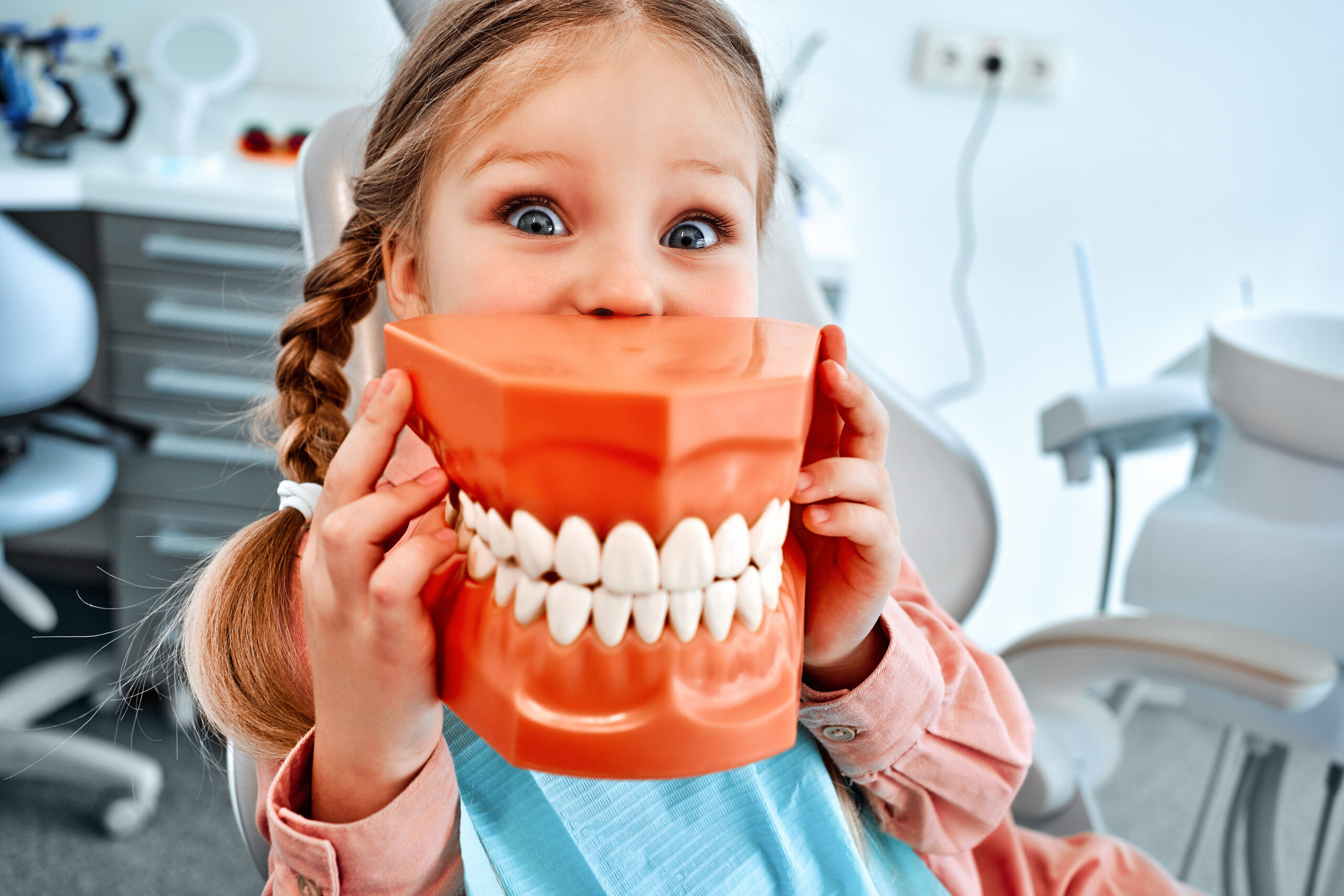
Portrait of a girl holding a model of a jaw with teeth while sitting in a dental office, looking at the camera and grimacing. Children's dentistry.

Specialized Care That Honors Every Child's Journey

At Wellness Pediatric Dentistry, we believe every child deserves exceptional dental care, regardless of their developmental, physical, or behavioral challenges. Dr. Wengler’s extensive experience caring for children with autism, sensory processing disorders, cerebral palsy, Down syndrome, and other special healthcare needs allows us to provide individualized treatment that respects each child’s unique requirements while achieving optimal oral health outcomes.

Our practice is designed to accommodate children with diverse needs through flexible scheduling, sensory-friendly environments, modified treatment approaches, and extensive family communication. We understand that children with special needs often require more time, patience, and creativity to receive dental care comfortably, and we’re committed to providing exactly that level of personalized attention.

Comprehensive Understanding of Complex Healthcare Needs

Children with special needs often face multiple healthcare challenges that can significantly impact their oral health. Dr. Wengler’s holistic approach considers how medications, medical conditions, dietary restrictions, and behavioral factors affect dental health while working closely with families and other healthcare providers to ensure comprehensive, coordinated care.

Our team recognizes that successful dental care for special needs children requires building trust, understanding individual communication styles, and adapting our approaches to meet each child exactly where they are developmentally and emotionally. We celebrate small victories and progress at every level, creating positive dental experiences that support lifelong oral health and confidence.

Cute little girl showing thumb-up gesture at dentist's office
AdobeStock 338984482 scaled - Wellness Pediatric Dentistry

Individualized Treatment for Diverse Needs

Children with autism often have unique sensory needs and communication styles that require specialized dental approaches:

Autism-Specific Accommodations:

  • Extended appointment times to reduce rushing and anxiety
  • Sensory-friendly environments with controlled lighting and sounds
  • Visual schedules and social stories to prepare for visits
  • Consistent routines and familiar staff to build trust and comfort
  • Modified communication approaches using preferred methods (verbal, visual, or tactile)

Treatment Modifications:

  • Gradual desensitization to dental instruments and procedures
  • Comfort items and self-soothing techniques encouraged
  • Flexible positioning and movement breaks when needed
  • Alternative communication methods during treatment
  • Coordination with behavioral therapists and autism specialists

Family-Centered Planning:

  • Detailed discussion of home routines and successful strategies
  • Parent coaching for home oral care techniques
  • Coordination with schools and other healthcare providers
  • Long-term planning that accommodates changing needs

Sensory Processing Disorders

Children with sensory processing differences require careful attention to environmental factors and treatment approaches:

Sensory Accommodations:

  • Quiet, private treatment rooms away from busy areas
  • Soft lighting options and noise reduction techniques
  • Weighted blankets and compression tools for comfort
  • Gradual introduction to textures, sounds, and sensations
  • Respect for individual sensory preferences and aversions

Modified Treatment Techniques:

  • Gentle pressure and movement during examinations
  • Alternative positioning for comfort and security
  • Short, frequent visits to build tolerance gradually
  • Sensory breaks during longer procedures
  • Use of preferred sensory input to promote calm and cooperation

Intellectual and Developmental Disabilities

Children with intellectual disabilities benefit from clear communication, patience, and approaches adapted to their developmental level:

Developmental Accommodations:

  • Communication at an appropriate developmental level, regardless of chronological age
  • Extra time for processing information and following instructions
  • Simplified explanations using concrete, visual language
  • Consistent routines and predictable procedures
  • Celebration of cooperation and progress at every level

Support Strategies:

  • Caregiver involvement in treatment planning and execution
  • Behavioral supports and positive reinforcement
  • Modified consent processes involving guardians and advocates
  • Coordination with developmental specialists and educators
  • Long-term care planning that grows with the individual

Physical Disabilities and Medical Complexities

Children with physical disabilities or complex medical conditions require specialized accommodations and safety considerations:

Physical Accommodations:

  • Wheelchair-accessible facilities and equipment
  • Modified positioning and support during treatment
  • Accommodation for mobility devices and medical equipment
  • Transfer assistance and safety protocols
  • Coordination with physical and occupational therapists

Medical Coordination:

  • Comprehensive review of medical conditions and medications
  • Consultation with medical specialists and primary care providers
  • Modified treatment approaches for bleeding disorders, cardiac conditions, or immune compromises
  • Antibiotic prophylaxis protocols when medically indicated
  • Emergency planning for medical complications
AdobeStock 1301259113 scaled - Wellness Pediatric Dentistry

Individualized Approach

Every aspect of care is customized to meet your child's unique sensory, communication, physical, and medical needs, ensuring comfortable and successful dental experiences.

Comprehensive Coordination

We work closely with your child's entire healthcare team, including therapists, specialists, and educators, to provide seamlessly integrated care that supports their overall wellness.

Long-Term Partnership

Our commitment extends beyond individual appointments to provide ongoing support, education, and advocacy as your child grows and their needs evolve over time.

AdobeStock 602662192 scaled - Wellness Pediatric Dentistry

Creating Comfort Through Thoughtful Design

Sensory-Friendly Spaces

Our practice environment is specifically designed to accommodate children with sensory sensitivities and special needs:

Physical Environment Features:

  • Quiet, private treatment rooms away from high-traffic areas
  • Adjustable lighting systems to accommodate light sensitivity
  • Sound-dampening materials to reduce overwhelming noise
  • Comfortable seating options for caregivers and support persons
  • Calming colors and non-stimulating décor

Comfort Amenities:

  • Weighted blankets and sensory tools are available
  • Fidget toys and comfort items are welcomed
  • Noise-canceling headphones when beneficial
  • Essential oil diffusers with calming scents (when appropriate)
  • Flexible scheduling to avoid busy times

Accessibility Features

Full accessibility ensures every child can receive care comfortably and safely:

Universal Access:

  • Wide doorways and accessible parking
  • Wheelchair-accessible treatment areas and restrooms
  • Adjustable examination chairs and positioning aids
  • Clear pathways free from obstacles
  • Emergency evacuation plans for children with mobility limitations

Building Trust Through Understanding

Alternative Communication Methods

We accommodate diverse communication needs and styles:

Communication Strategies:

  • Visual communication boards and picture schedules
  • Sign language interpretation when needed
  • Augmentative and alternative communication (AAC) device compatibility
  • Simplified verbal instructions and visual demonstrations
  • Respect for non-verbal communication preferences

Behavioral Support Techniques:

  • Positive behavior support plans developed with families
  • Consistent reinforcement and celebration of cooperation
  • Break opportunities and self-regulation time
  • Distraction and coping techniques appropriate for each child
  • Coordination with behavioral therapists and specialists

Family and Caregiver Integration

Successful special needs dental care requires strong family partnerships:

Family Involvement:

  • Caregiver presence during treatment when beneficial
  • Detailed home care training and support
  • Regular communication about progress and challenges
  • Respect for family expertise about their child’s needs
  • Coordination with siblings and extended family when appropriate

Educational Support:

  • Resources and training for effective home oral care
  • Strategies for managing dental care challenges at home
  • Connection with support groups and community resources
  • Advocacy support for school-based oral health needs
  • Planning for transitions to adult care providers
Close-up portrait of a happy young boy with a toothy smile at the dental office
AdobeStock 51305829 scaled - Wellness Pediatric Dentistry

Comprehensive Health Integration

Medication Effects on Oral Health

Many medications used by children with special needs can significantly impact oral health:

Common Medication Effects:

  • Dry mouth from anticonvulsants and psychiatric medications
  • Gum overgrowth from certain seizure medications
  • Increased bleeding risk from anticoagulants
  • Behavioral changes affecting cooperation with oral care
  • Gastrointestinal effects impacting nutrition and oral pH

Management Strategies:

  • Regular monitoring of medication-related oral changes
  • Preventive treatments to counteract medication side effects
  • Coordination with prescribing physicians for optimal management
  • Modified home care routines to address specific challenges
  • Nutritional counseling considering medication effects

Seizure and Emergency Protocols

Children with seizure disorders require specialized safety protocols:

Seizure Safety Measures:

  • Detailed seizure history and trigger identification
  • Emergency protocols for seizure management during treatment
  • Modified treatment approaches to reduce seizure risk
  • Staff training in seizure first aid and emergency response
  • Coordination with neurologists and seizure management teams
AdobeStock 1503889493 scaled e1763157141822 - Wellness Pediatric Dentistry
Ready To Transform Your Child's Dental Health?

Experience the difference that holistic pediatric care can make for your child. Our comprehensive approach combines gentle techniques with transparent communication to create positive dental experiences that last a lifetime. We’re here to partner with you in supporting your child’s overall health and development through expert oral care.

From fluoride-free alternatives to airway-focused orthodontics, we offer the choices and expertise your family deserves. Schedule your consultation today and discover how our unique approach can benefit your child’s health and wellness journey.

Supporting Lifelong Oral Health

Transition Planning

As children with special needs grow, their care requirements evolve:

Developmental Transitions:

  • Adapting approaches as children mature and develop new capabilities
  • Preparing for increased independence in oral care when possible
  • Coordinating care during school transitions and life changes
  • Planning for transition to adult dental care providers
  • Maintaining continuity during family and living situation changes

Family Support and Education

Ongoing education and support help families provide optimal home care:

Family Resources:

  • Regular training updates on home care techniques
  • Strategies for managing changing needs and challenges
  • Connection with support groups and community resources
  • Advocacy support for insurance and access issues
  • Respite care coordination for families needing additional support

Community Integration

We support families in accessing community resources and advocating for comprehensive care:

Community Connections:

  • Referrals to specialists and support services
  • School-based oral health program coordination
  • Insurance navigation and coverage advocacy
  • Connection with disability rights organizations
  • Integration with community recreation and support programs
A cute little girl sitting in a dental chair, holding a toy rabbit and laughing. In the background, dental equipment and a monitor for the clinic logo. Dental care, medicine.Sunlight.

FAQ

How do you prepare children with autism for dental visits?

We use visual schedules, social stories, and gradual desensitization to help children with autism prepare for visits. We encourage families to visit our office before the appointment, provide detailed information about what to expect, and work with your child’s behavioral therapists to develop strategies that support successful dental experiences.

Can you accommodate children who use wheelchairs or mobility devices?

Absolutely. Our office is fully wheelchair accessible with wide doorways, accessible parking, and treatment areas designed to accommodate mobility devices. We can transfer children to our dental chairs when appropriate or provide treatment in their wheelchairs if that’s more comfortable and safe.

What if my child cannot cooperate with traditional dental treatment?

We have extensive experience helping children who struggle with cooperation. We use modified techniques, shorter appointments, sedation options when appropriate, and sometimes general anesthesia for complex needs. Every approach is individualized based on your child’s specific challenges and capabilities.

Do you work with my child's other healthcare providers?

Yes, coordination with your child’s entire healthcare team is essential for optimal care. We communicate with physicians, therapists, educators, and other specialists to ensure our dental care integrates seamlessly with their overall health management and supports their comprehensive well-being.

How do you handle behavioral challenges during treatment?

We use positive behavior support techniques, environmental modifications, and individualized approaches based on each child’s needs. We’re patient, flexible, and always prioritize your child’s comfort and emotional well-being over completing treatment quickly. Building trust and positive experiences is our primary goal.

What if my child needs extensive dental work but cannot tolerate multiple appointments?

For children with significant special needs requiring extensive treatment, we can coordinate comprehensive care under sedation or general anesthesia. This allows us to complete multiple procedures safely and comfortably while minimizing the stress of repeated appointments and ensuring optimal oral health outcomes.